Simple Tips for a Smooth Painting Experience
Painting your walls can transform the look and feel of your home. However, it is easy to make mistakes that can spoil your efforts. Whether you’re new to painting or have some experience, understanding common pitfalls can save you time and money. This guide will help you avoid these mistakes by providing practical advice on preparing, choosing paints, and applying them correctly.

Selecting the Right Tools
Your choice of tools significantly affects the final result when painting interior walls. The right brushes and rollers make a big difference in achieving a smooth finish. A quality roller cover with the appropriate nap length should match your wall texture. For detailed areas, choose an angled brush which helps maintain clean lines and reach corners efficiently.
Preparing Your Space
A well-prepared space can prevent many issues during the interior painting process. Start by cleaning your walls to remove dust and grime. Ensure that holes and cracks are patched up before priming. Cover floors and furniture with drop cloths or plastic sheeting to protect them from paint splatters. Proper preparation ensures better adherence of the paint and extends its longevity.
Choosing the Right Paint
Selecting the right paint type and color is crucial for great results. Consider the room’s lighting and use when selecting colors. Lighter shades can make small spaces appear larger, while darker hues add warmth to large rooms. Use high-quality paint for durability and ease of application. Check the paint’s finish; matte hides imperfections but requires more maintenance, while satin offers a nice sheen that’s easier to clean.
- Always test paint samples on your walls before making a decision.
- Consider moisture-resistant paints for bathrooms and kitchens.
- Use eco-friendly options if indoor air quality is a concern.
Avoiding Over-Application
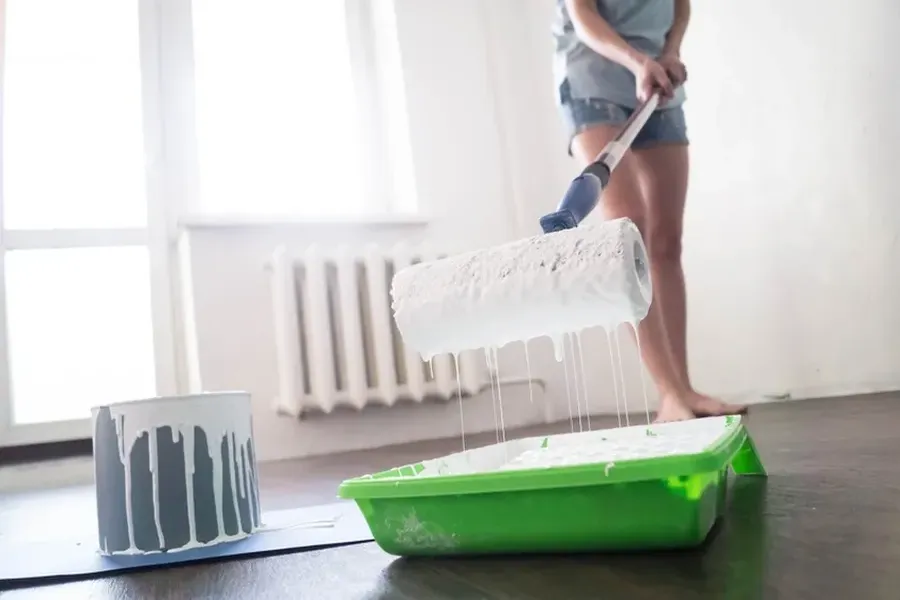
Applying too much paint at once can lead to drips and uneven finishes. Instead, use thin layers, allowing each coat to dry thoroughly before adding another. This approach not only enhances the appearance but also ensures longer-lasting results. It is especially important when using bold colors, as building up gradually achieves full coverage without streaks.
Maintaining Consistent Stroke Techniques
Inconsistent strokes can create noticeable patterns once the paint dries. To avoid this mistake, keep your technique consistent throughout the job. Whether you choose vertical or horizontal strokes, stick with one method for uniformity. Work in manageable sections, maintaining a wet edge to blend seamlessly into previously painted areas.
- Start near a corner or edge.
- Paint in small sections at a time.
- Keep moving across the surface steadily.
- Overlap slightly with each stroke.
Troubleshooting After Painting
After painting, inspect your work carefully to catch any missed spots or imperfections early. Touch up areas where necessary to ensure a flawless finish. If you notice bubbles or peeling, address ventilation issues immediately as high humidity could be causing them. Allow sufficient drying time between coats based on manufacturer instructions to avoid such complications.
Final Thoughts on Achieving Great Results With Interior Painting
Avoiding common mistakes when painting interior walls leads to satisfying results that enhance your home’s beauty. By choosing suitable tools and materials and following best practices, you ensure lasting quality for your project. Should you need professional assistance, consider contacting JB Painting for expert services tailored to your needs. Reach out at (903) 222-9836 to learn more about our offerings in Sulphur Springs, TX.